
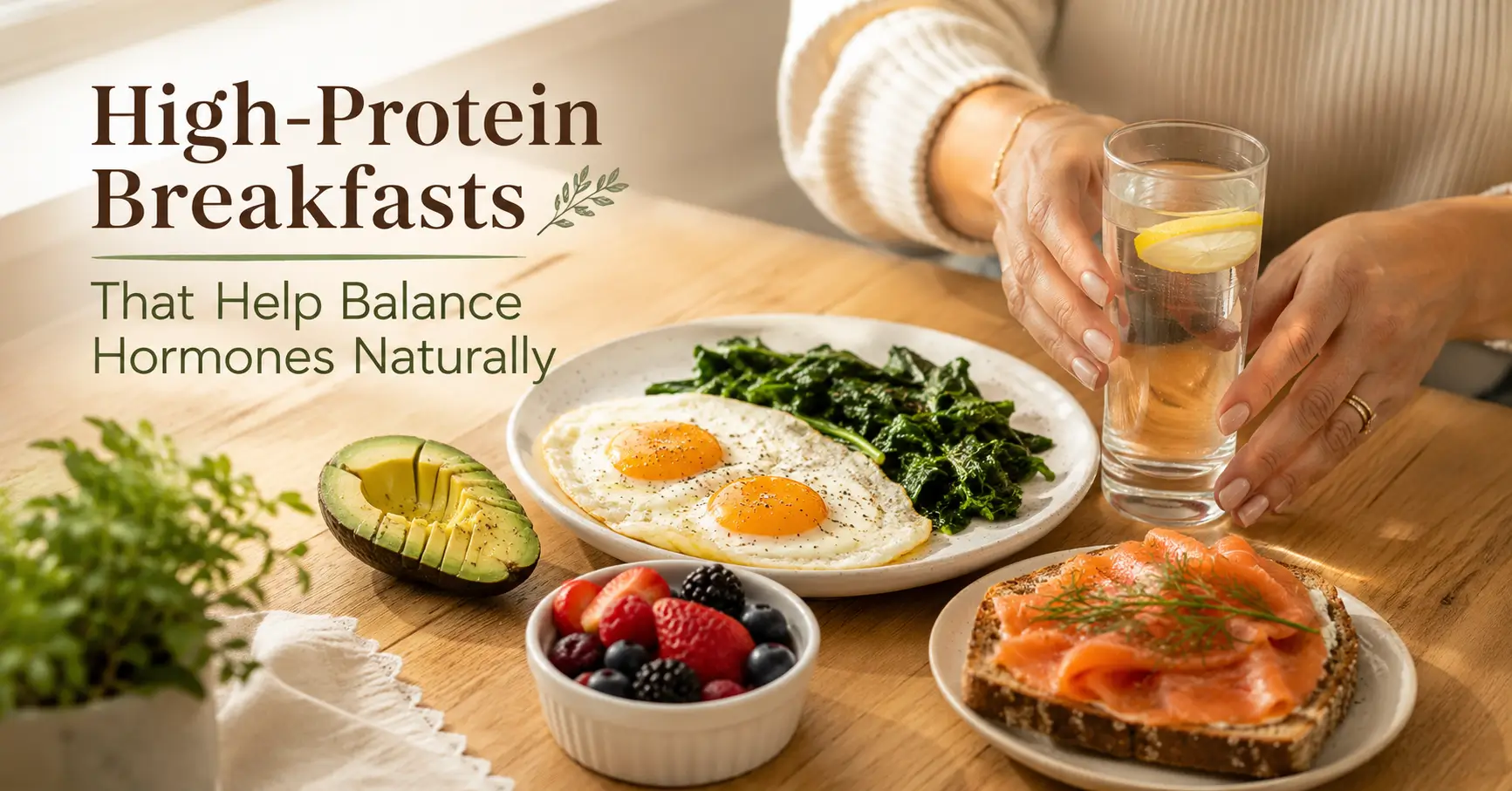
High-Protein Breakfasts That Help Balance Hormones Naturally
Some mornings feel fine.
Others feel like your body is working against you. You wake up tired even after sleeping. Your mood shifts before you have even had your coffee. You feel hungry again an hour after eating. Small things feel like big things.
If this sounds like your mornings — your hormones might be trying to tell you something.
And here is what most women do not realise: what you eat within the first hour of waking up has a direct effect on your hormones for the rest of the day. Not just your hunger. Not just your energy. Your actual hormones — cortisol, insulin, estrogen, progesterone, thyroid hormone — all get influenced by that very first meal.
The good news? You do not need a complicated hormone protocol or expensive supplements to start making a difference. You just need to eat more protein at breakfast. That is it. One change. Real results.
This article explains exactly how protein affects your hormones, which foods work best, and gives you 10 easy hormone-balancing, high-protein breakfast recipes you can start using this week.
Your Hormones and Your Breakfast Are Talking to Each Other
This is not about being perfect. This is about understanding a real connection most women are never told about.
Your hormones are chemical messengers. They travel through your blood and tell your body what to do — when to feel hungry, when to feel calm, when to feel stressed, when to sleep, when to ovulate. Everything runs on hormones.
And here is the key thing: protein is essential for hormone production and regulation, as hormones are made from amino acids — the building blocks of protein. Including sufficient protein in your diet helps support the synthesis of hormones such as insulin, thyroid hormones, and reproductive hormones like estrogen and progesterone.
So when you skip protein at breakfast — or eat mostly sugar and carbs — your body does not have the raw materials it needs to make and balance those hormones. It is like trying to build a house with no bricks.
The hormonal response to breakfast, especially in terms of insulin and adrenal gland hormones like cortisol, sets the foundation for overall hormone balance, including sex and thyroid hormones. Breakfast can promote hormone balance, estrogen metabolism support, fertility, and support a reduction of symptoms from PCOS, PMS, and perimenopause.
That is a lot of power sitting in your morning meal.
The 4 Hormones Most Affected by What You Eat at Breakfast
Let us break these down simply — because once you understand what each hormone does, the breakfast choices make total sense.
Cortisol — Your Stress Hormone
Cortisol naturally rises in the morning. That is normal and healthy. It is what wakes you up and gets you going.
But here is the problem. If you skip breakfast or eat something high in sugar or processed carbs, your body releases even more cortisol, which can lead to feeling stressed or overwhelmed and set off your anxiety or jitters. A well-balanced breakfast helps reduce that excessive cortisol spike, keeping you calm and energized instead of stressed and frazzled before the day has even begun.
Eating a balanced diet with enough protein helps stabilize blood sugar levels, which in turn supports the HPA axis by preventing spikes in cortisol caused by fluctuations in blood glucose. Better-regulated cortisol levels reduce the negative effects of stress on the HPA axis, such as disrupted menstrual cycles.
In plain words: a high-protein breakfast literally helps you feel less stressed. It is not magic. It is just how your body works.
Insulin — Your Blood Sugar Hormone
Insulin is released every time you eat something. Its job is to move sugar from your blood into your cells. When everything is working well, this process is smooth and steady.
But when you eat a lot of sugar or refined carbs at breakfast — like a muffin, sugary cereal, or fruit juice — your blood sugar shoots up fast. Your body dumps out a lot of insulin. Then blood sugar crashes. And you feel tired, foggy, and hungry again very quickly.
Blood sugar fluctuations can lead to an overproduction of insulin, which in turn can disrupt your sex hormones, like estrogen and progesterone.
So when you eat a high-protein breakfast — which slows down how fast sugar enters your blood — you are not just managing your energy. You are protecting your sex hormones too.
Estrogen and Progesterone — Your Female Sex Hormones
These two hormones regulate your menstrual cycle, your fertility, your mood, and how you feel in your body week to week.
A fiber-rich breakfast supports healthy digestion, which is important for the elimination of excess hormones, particularly estrogen. When digestion is sluggish and estrogen is not being properly eliminated from the body, it recirculates. This is connected to symptoms like bloating, mood swings, and heavy periods.
Protein combined with fiber at breakfast — think eggs with vegetables, or Greek yogurt with berries — gives your body both the building blocks to make these hormones and the fiber to process and eliminate them properly.
Thyroid Hormone — Your Metabolism Hormone
Your thyroid gland controls your metabolism, your energy, and your body temperature. Thyroid hormone production depends heavily on having enough amino acids from protein.
Starting your day with a protein-packed meal — aiming for 20 to 35 grams of protein within the first hour you’re awake — plays a crucial role in stabilizing your blood sugar, maintaining steady energy levels, and supporting your thyroid.
When women feel cold all the time, tired despite sleeping enough, or like their metabolism has slowed — low thyroid function is often involved. Eating enough protein, starting at breakfast, is one of the most basic and important supports for thyroid health.
What Time Should You Eat Breakfast for Hormone Balance?
Before we get to the breakfast ideas, let us look at exactly what protein is doing for your body at this stage of life. This is important — because once you understand it, you will never want to skip a protein-rich breakfast again.
This one surprises a lot of women.
Optimal timing — eating within 60 minutes of waking — helps balance hormones like cortisol and insulin. And this is important because we want steady energy, temperament, and focus throughout the day.
That does not mean you have to eat a big meal the second you wake up. Even a small protein-rich snack within that first hour helps. A hard-boiled egg. A few spoonfuls of Greek yogurt. A small protein smoothie. Something with protein is always better than nothing.
If you do intermittent fasting and eat later in the day — that is a personal choice and something to discuss with your healthcare provider, as it affects hormones differently for different women.
How Much Protein Do You Need at Breakfast for Hormone Balance?
Aiming for 20 to 35 grams of protein within the first hour you’re awake sets the stage for a day of stable blood sugar levels.
For women with PCOS specifically, recent reviews from 2024 to 2025 show that women with PCOS who consume 25 grams or more of high-quality protein at breakfast experience 20 to 30 percent lower post-meal insulin responses compared with lower-protein meals.
So the target is clear: aim for 25 to 35 grams of protein at breakfast. That is where the hormone benefits really kick in.
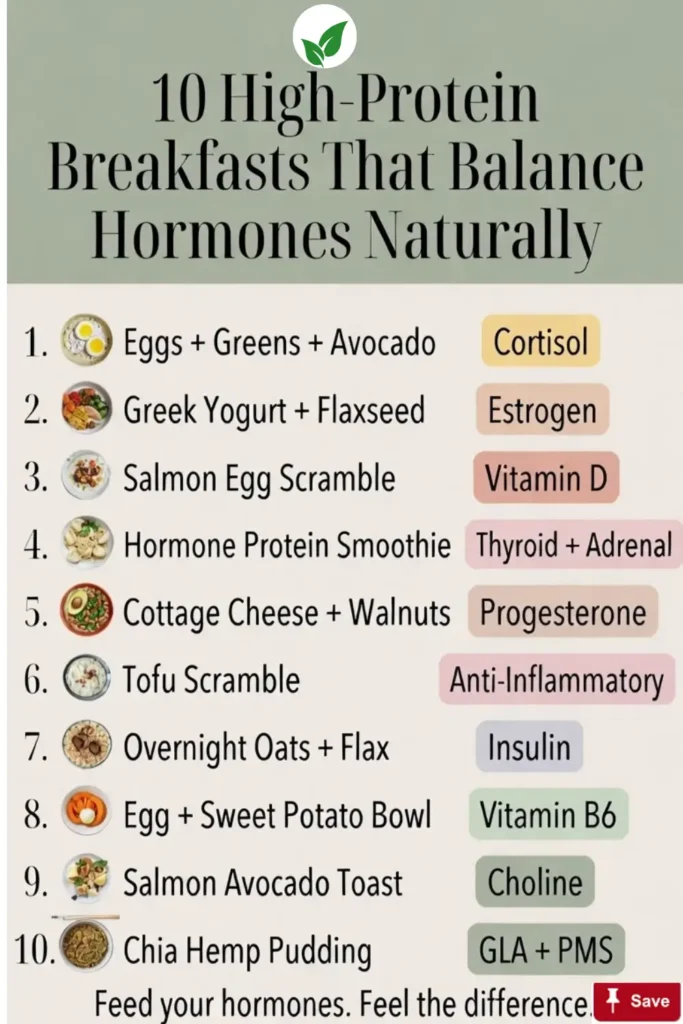
10 High-Protein Breakfasts That Help Balance Hormones
Each recipe below is designed with your hormones in mind — not just protein content. Every ingredient is chosen because it supports at least one key hormone pathway. You will see exactly why each one works.
1. Eggs and Sautéed Greens with Avocado
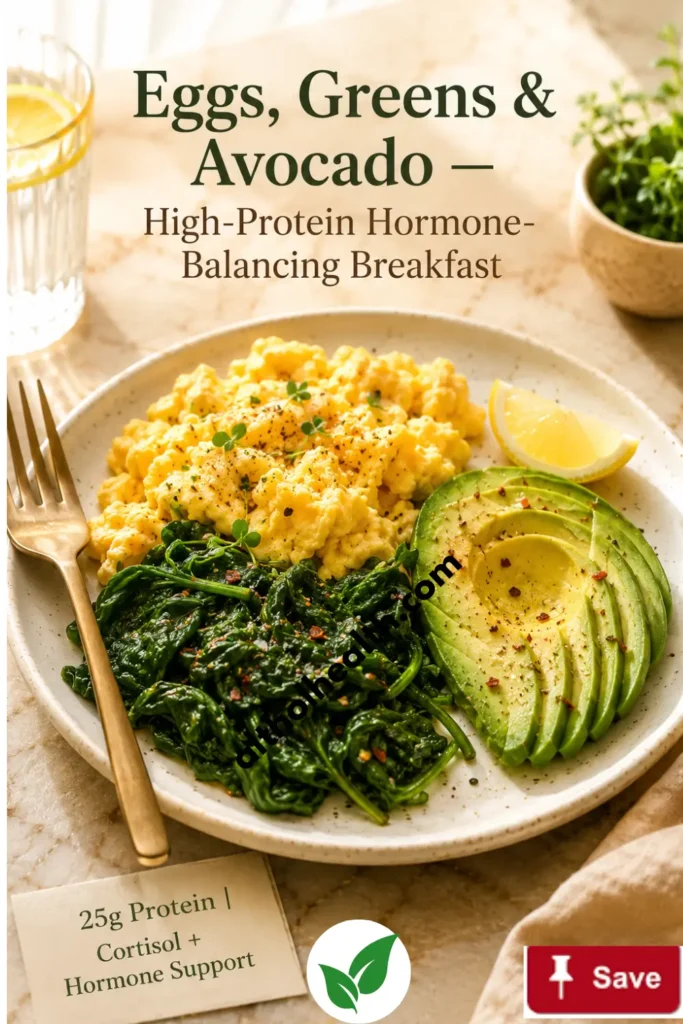
Protein: ~22–26g | Time: 10 minutes
This is a foundational hormone-balancing breakfast. Simple. Nourishing. Exactly what your body needs first thing in the morning.
Eggs are one of the most complete protein sources available. They contain all nine essential amino acids your body needs for hormone production. The greens — spinach, kale, or whatever you have — add magnesium, which supports insulin sensitivity and helps calm the nervous system. The avocado adds healthy fats that are required to make steroid hormones including estrogen, progesterone, and cortisol.
Your body literally cannot make sex hormones without dietary fat. This breakfast gives you all three: complete protein, magnesium-rich greens, and hormone-essential healthy fats.
What to use:
- 3 large eggs
- 1 large handful of spinach or kale
- ½ avocado, sliced
- 1 teaspoon olive oil
- Salt, pepper, garlic powder
How to make it:
- Heat olive oil in a pan. Add greens and cook 2 minutes until wilted
- Push greens to the side. Scramble or fry eggs in the same pan
- Plate everything together with sliced avocado on the side
- Season with salt, pepper, and garlic powder
2. Greek Yogurt with Ground Flaxseed and Berries
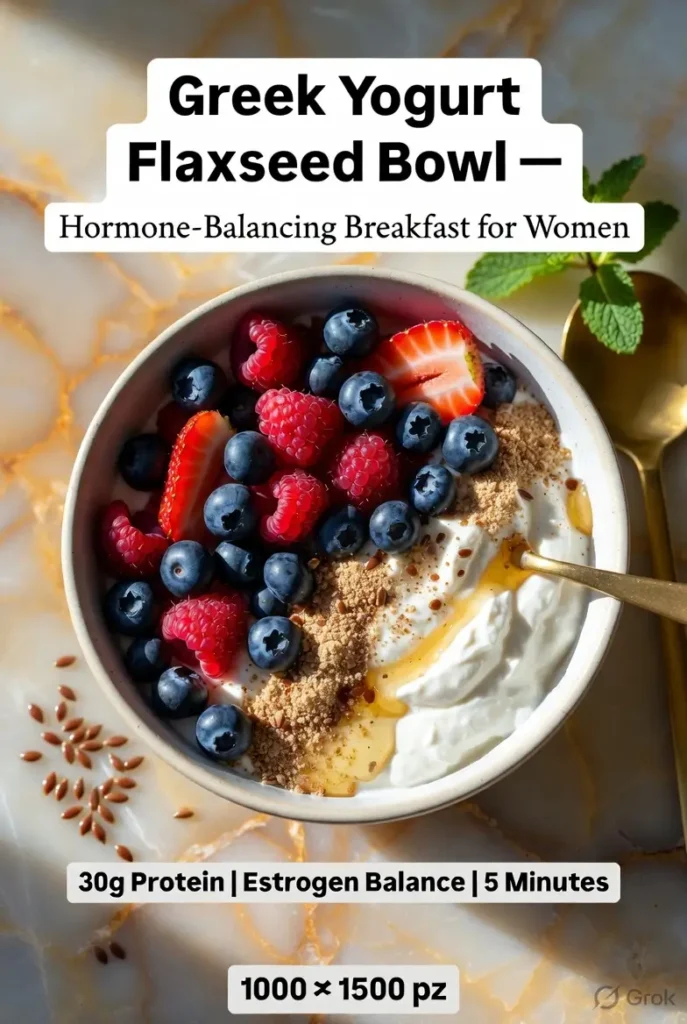
Protein: ~28–34g | Time: 5 minutes | No cooking
This is one of the most talked-about hormone-balancing breakfasts — and for good reason. Every ingredient in this bowl does something specific for your hormones.
Greek yogurt gives you casein protein plus probiotics. A healthy gut microbiome is now known to play a direct role in estrogen metabolism — meaning a healthy gut helps your body process and eliminate excess estrogen properly. Ground flaxseed contains lignans, which are plant compounds that help balance estrogen levels specifically. And berries are packed with antioxidants that reduce inflammation — something that disrupts hormone signaling when it gets too high.
What to use:
- 1 cup plain Greek yogurt
- 1 scoop vanilla protein powder
- 2 tablespoons ground flaxseed
- ½ cup mixed berries
- A small drizzle of honey
Mix the protein powder into the yogurt first. Then add the flaxseed, berries, and honey on top.
Why flaxseed specifically: Ground flaxseed (not whole) is the key here — your body cannot access the lignans in whole flaxseeds. Always buy pre-ground or grind it yourself.
3. Salmon and Egg Scramble with Spinach
Protein: ~30–36g | Time: 10 minutes
Omega-3 fatty acids — found in abundance in salmon — are one of the most powerful anti-inflammatory nutrients you can eat. Chronic inflammation is one of the biggest drivers of hormone disruption. Reducing it with food is one of the most impactful things you can do for your hormonal health.
Salmon also contains vitamin D, which functions more like a hormone than a vitamin in your body. It directly influences estrogen production, thyroid function, and insulin sensitivity. Many women with hormone imbalances are found to be low in vitamin D.
What to use:
- 3 large eggs
- 2 oz smoked salmon
- 1 large handful baby spinach
- 1 tablespoon cream cheese
- Salt, pepper, fresh dill
How to make it:
- Whisk eggs and cook slowly in a pan on low heat
- Stir in cream cheese when eggs are almost set
- Remove from heat. Top with smoked salmon, spinach, and dill
The spinach wilts from the warmth of the eggs. No extra cooking needed.
4. Hormone-Balancing Protein Smoothie
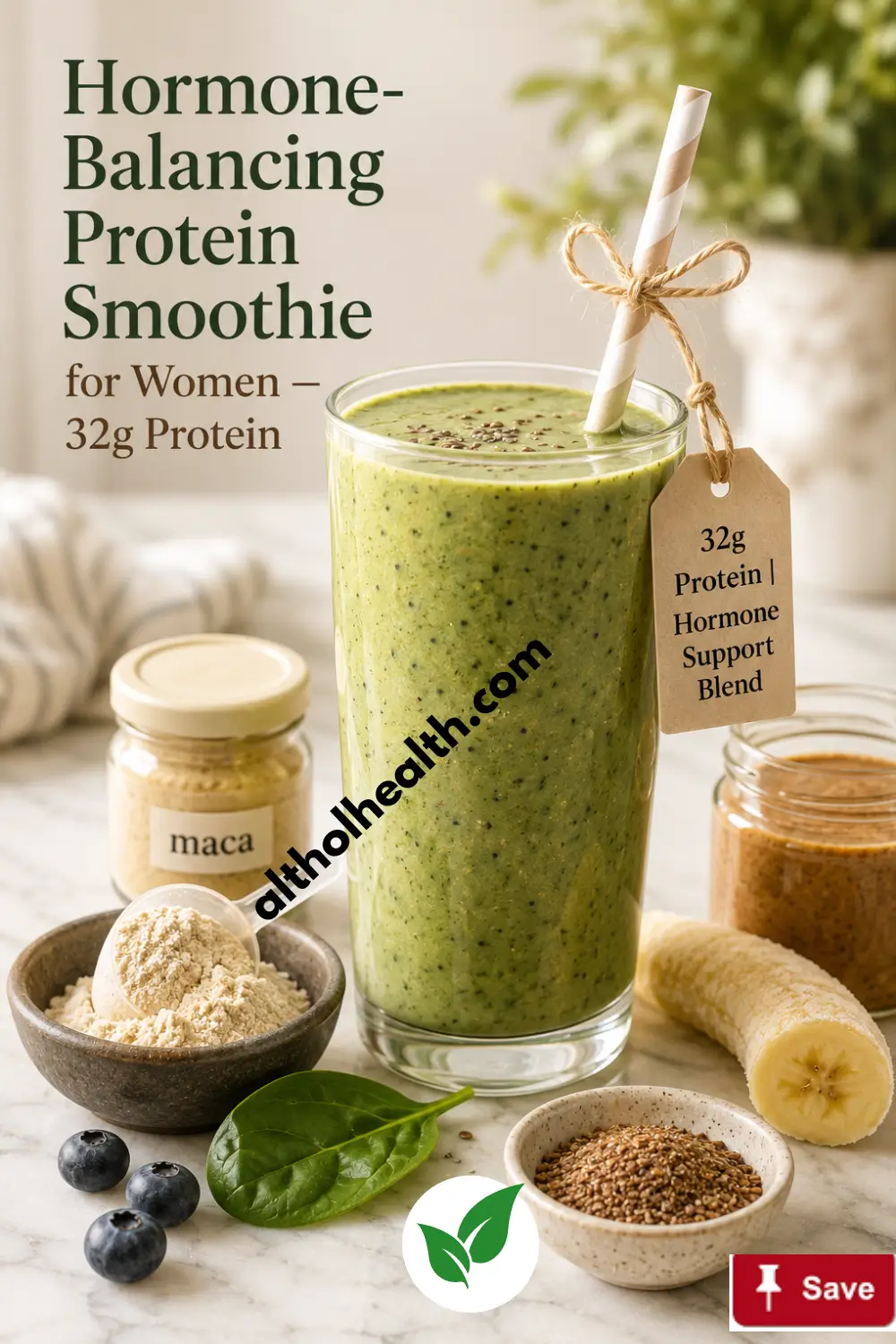
Protein: ~30–35g | Time: 5 minutes | No cooking
A smoothie sounds simple. But this one is built with a very specific purpose — every ingredient directly targets a different hormone.
What to use:
- 1 scoop vanilla protein powder
- 1 cup unsweetened almond milk or dairy milk
- 1 frozen banana (potassium for adrenal function)
- 1 tablespoon almond butter (healthy fats for sex hormones)
- 1 teaspoon maca powder (optional — supports adrenal and thyroid function)
- 1 tablespoon ground flaxseed (estrogen balance)
- A large handful of spinach (magnesium for insulin sensitivity)
- A few ice cubes
Blend 30 seconds. Drink within the first hour of waking.
About maca: Maca root is an adaptogenic herb that some research suggests supports hormone balance — particularly for women dealing with PMS, perimenopause, and low energy. If you are pregnant, breastfeeding, or have a thyroid condition, check with your doctor before using it.
5. Cottage Cheese Bowl with Walnuts and Seeds
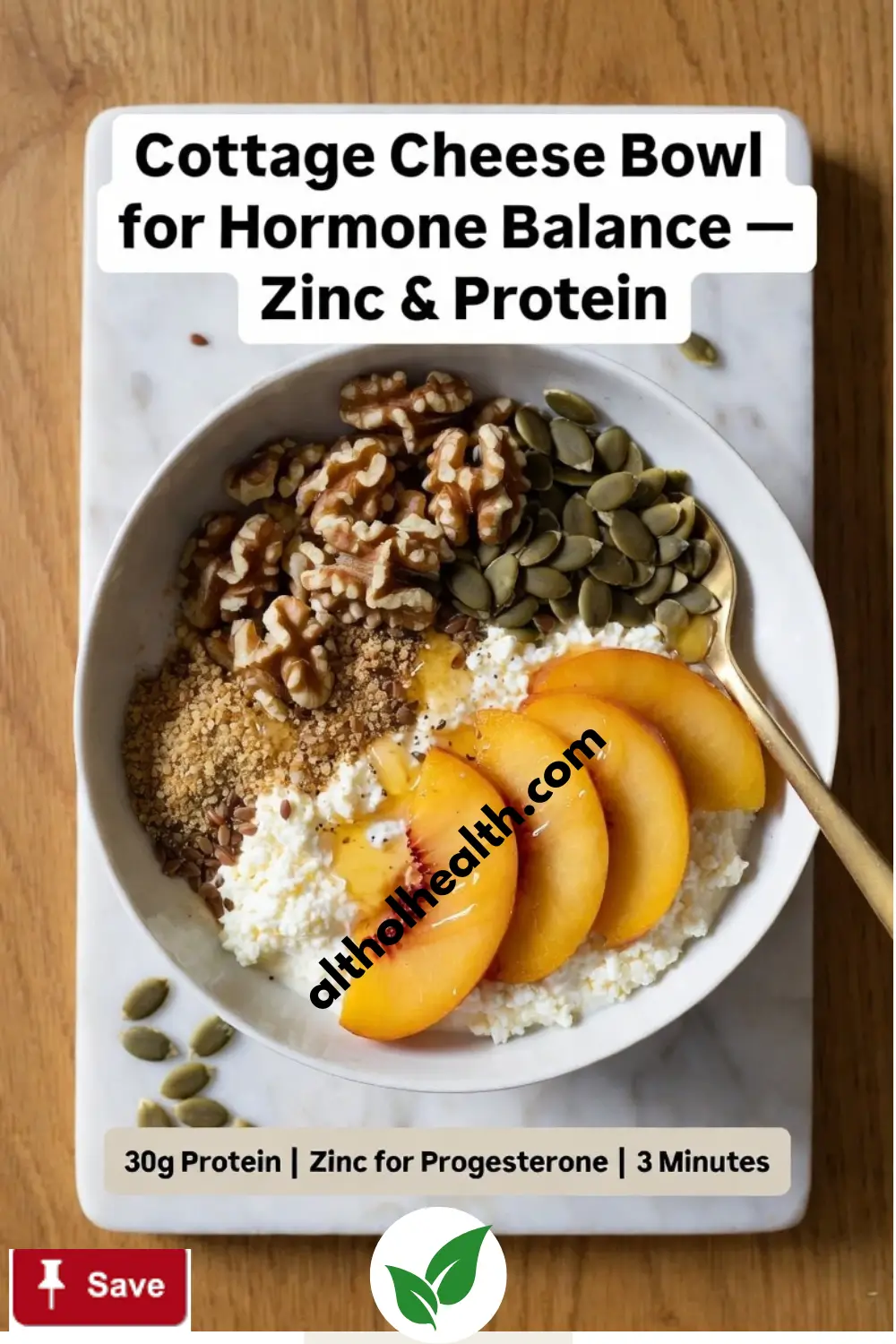
Protein: ~28–32g | Time: 3 minutes | No cooking
Cottage cheese is high in casein protein — the slow-digesting type that keeps blood sugar stable for hours. Stable blood sugar means stable cortisol. Stable cortisol means better estrogen and progesterone balance. Everything connects.
Add walnuts and you get omega-3 fatty acids, which reduce inflammation and support brain chemistry — directly impacting mood hormones like serotonin and dopamine. Add pumpkin seeds and you get zinc, which plays a key role in progesterone production in the second half of the menstrual cycle. Many women with PMS and cycle irregularities are low in zinc.
What to use:
- 1 cup cottage cheese
- 1 tablespoon ground flaxseed
- A small handful of walnuts
- 1 tablespoon pumpkin seeds
- ½ cup berries or sliced peach
- A drizzle of honey
Mix and eat. Three minutes. Done.
6. Tofu and Vegetable Scramble

Protein: ~22–26g | Time: Protein: ~25–30g | Time: 12 minutes
For women who prefer plant-based protein — or who want to reduce their reliance on animal products — tofu is one of the most powerful hormone-supporting foods available.
Tofu is made from soy, which contains isoflavones — plant-based compounds that have a gentle estrogen-like effect in the body. Research consistently suggests that for most women, soy isoflavones help — not harm — hormone balance, especially during perimenopause and menopause when estrogen levels are declining.
Add turmeric and you get curcumin — one of the most studied anti-inflammatory compounds in nutrition research. Reducing inflammation at breakfast sets a lower inflammatory baseline for the rest of your day.
What to use:
- ½ block firm tofu, pressed and crumbled
- ½ cup cherry tomatoes, halved
- ½ cup baby spinach
- ½ cup mushrooms, sliced
- ¼ teaspoon turmeric
- ¼ teaspoon garlic powder
- 1 tablespoon olive oil
- Salt and pepper
How to make it:15 minutes
- Heat olive oil in a pan. Add crumbled tofu
- Add turmeric and garlic. Cook 5 minutes, stirring
- Add mushrooms. Cook 3 more minutes
- Add tomatoes and spinach. Stir 2 minutes. Season and serve
7. Overnight Oats with Flaxseed and Protein Powder
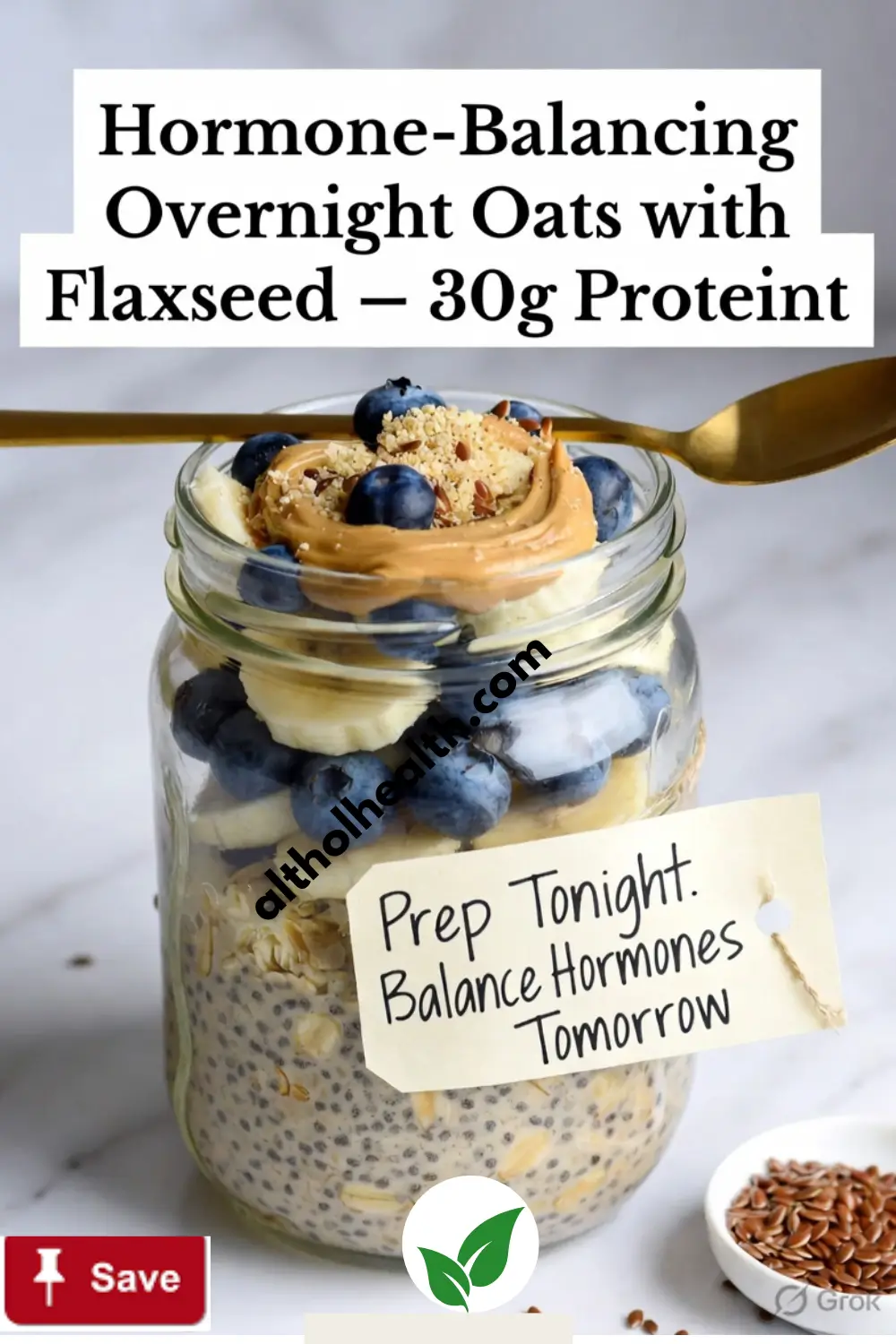
Protein: ~28–32Protein: ~28–32g | Time: 5 minutes prep the night before
Oats deserve a place on this list specifically because of beta-glucan — a type of soluble fiber that slows sugar absorption, keeping insulin steady. Combined with protein powder and flaxseed, this becomes one of the most hormone-supportive grab-and-go breakfasts you can make.
What to use (per jar):
- ½ cup rolled oats
- 1 cup unsweetened milk (dairy or fortified soy milk)
- 1 scoop protein powder
- 2 tablespoons ground flaxseed
- 1 tablespoon chia seeds
- A small drizzle of honey
- Toppings: sliced banana, walnuts, or berries in the morning
Mix everything in a jar. Refrigerate overnight. Add toppings in the morning.
Why soy milk specifically as an option: If you have PCOS or are in perimenopause, fortified soy milk gives you extra plant-based isoflavones alongside the calcium and vitamin D your bones need.
8. Baked Egg and Sweet Potato Breakfast Bowl
Protein: ~35–40Protein: ~28–32g | Time: 15 minutes
Sweet potato might surprise you on a hormone-balancing list. But it is one of the best complex carbohydrates for women because it releases sugar slowly and contains vitamin B6 — a nutrient directly involved in progesterone production and PMS symptom reduction.
Combine it with eggs for leucine-rich complete protein and turkey sausage for an extra protein boost and you have a breakfast that genuinely covers a wide spectrum of hormone needs.
What to use:
- 3 large eggs
- ½ cup roasted sweet potato cubes (microwave for 4 minutes to speed it up)
- 1 turkey sausage link, sliced and cooked
- 1 large handful baby spinach
- Salt, smoked paprika, cumin
How to make it:
- Cook sweet potato cubes in the microwave 4 minutes or use leftovers
- Cook turkey sausage slices in a pan until golden
- Add sweet potato and spinach. Stir 2 minutes
- Scramble eggs in the same pan alongside the rest
- Season with salt, smoked paprika, and cumin. Serve in a bowl
9. Smoked Salmon and Avocado Toast with Poached Egg

Protein: ~28Protein: ~30–34g | Time: 12 minutes
This is the most nutrient-dense breakfast on the list. Three major hormone-supporting ingredients in one plate: salmon for omega-3s and vitamin D, avocado for hormone-building healthy fats, and eggs for complete protein with leucine and choline.
Choline — found in egg yolks — is a nutrient most women do not get enough of. It supports liver function, and your liver is responsible for metabolising and clearing excess estrogen from your body. When your liver is not working efficiently, estrogen builds up. Choline helps keep that process running smoothly.
What to use:
- 2 large eggs
- 2 oz smoked salmon
- ½ avocado, mashed
- 1 slice whole grain or sourdough bread, toasted
- Capers, fresh dill, lemon juice
- Salt and pepper
How to make it:
- Bring a small pot of water to a gentle simmer. Add a splash of vinegar
- Crack each egg into a small cup and slide gently into the water
- Poach 3–4 minutes. Remove with a slotted spoon
- Toast bread. Spread mashed avocado
- Layer smoked salmon, then poached egg on top
- Finish with capers, dill, and a squeeze of lemon
10. Chia Pudding with Hemp Seeds and Berries

Protein: ~30–35g | Protein: ~22–28g | Time: 5 minutes prep the night before
This is the most anti-inflammatory breakfast on this list. Every single ingredient has been studied for its impact on inflammation and hormone health.
Chia seeds are loaded with omega-3 fatty acids, magnesium, and zinc. Hemp seeds are one of the richest plant sources of the omega-6 fatty acid GLA (gamma-linolenic acid) — a fatty acid that research suggests directly supports progesterone production and reduces PMS symptoms. Berries deliver anthocyanins — powerful antioxidants that reduce oxidative stress, which is one of the main drivers of hormone disruption.
What to use (per jar):
- 3 tablespoons chia seeds
- 1 cup unsweetened almond or coconut milk
- 1 scoop protein powder (vanilla works best)
- 2 tablespoons hemp seeds
- 1 teaspoon honey
- ½ teaspoon vanilla extract
- Toppings: mixed berries, a few walnuts
Mix everything in a jar. Stir well. Refrigerate overnight. Add toppings in the morning.
Your Quick Comparison Table
| # | Breakfast | Protein | Time | Key Benefit for Over 40 |
|---|---|---|---|---|
| 1 | Greek Yogurt Bowl | 30–35g | 5 min | Bone health + probiotics |
| 2 | Smoked Salmon Egg Scramble | 32–36g | 10 min | Omega-3s + vitamin D |
| 3 | Cottage Cheese Berry Bowl | 28–32g | 3 min | Slow-release casein protein |
| 4 | Tofu Scramble | 25–30g | 12 min | Plant protein + anti-inflammatory |
| 5 | Whey Protein Smoothie | 30–40g | 5 min | Leucine-rich + fast absorbing |
| 6 | Baked Eggs in Avocado | 22–26g | 15 min | Healthy fats + anti-inflammatory |
| 7 | Overnight Oats + Protein | 28–32g | 5 min (night before) | Heart health + omega-3s |
| 8 | Egg + Turkey Sausage Bowl | 35–40g | 12 min | Highest protein + iron |
| 9 | Salmon Toast | 28–32g | 5 min | Vitamin D + bone support |
| 10 | Quinoa Egg Bowl | 30–35g | 5 min (with prep) | Magnesium + complete protein |
Foods That HURT Your Hormones at Breakfast
Knowing what helps is only half the story. Here are the breakfast habits that actively work against your hormones:
Sugary cereals and sweetened granola: These spike insulin fast. When insulin spikes repeatedly, it can trigger the ovaries to produce more testosterone — a key driver of PCOS symptoms. Starting your day with a blood sugar rollercoaster sets your hormones on edge before you have even left the house.
Fruit juice and sweetened coffee drinks: A glass of orange juice or a flavoured coffee drink contains a large amount of sugar with very little protein or fibre to slow it down. This creates the same rapid insulin spike. Eat the whole fruit instead. Add protein to your coffee routine.
Low-fat flavoured yogurts: These often contain as much sugar as a dessert. The fat has been removed and sugar has been added to make up for the flavour. Fat is required for hormone production — a low-fat, high-sugar yogurt actively works against your hormonal health.
Toast and jam alone: Almost zero protein, high refined carbs, immediate blood sugar spike. If you love toast, pile it with eggs, smoked salmon, cottage cheese, or nut butter.
Skipping breakfast entirely: When you skip breakfast, cortisol rises even higher trying to maintain blood sugar with no incoming food. High morning cortisol over time suppresses progesterone, disrupts thyroid function, and drives the kind of ongoing stress that keeps your entire hormonal system in a reactive state.
A Simple Hormone-Friendly Morning Routine
You do not need to change everything at once. Here is a simple routine to follow this week:
Step 1: Eat within 60 minutes of waking. Even something small. A hard-boiled egg and a handful of nuts counts. Do not let cortisol spike unchecked on an empty stomach.
Step 2: Aim for 25 to 35 grams of protein. Use the comparison table above to find breakfasts that hit that range.
Step 3: Include one fat source. Avocado, eggs, walnuts, nut butter, salmon — any of these work. Your body needs fat to make hormones.
Step 4: Include one fibre source. Berries, spinach, oats, flaxseed, chia seeds. Fibre supports the elimination of excess hormones through your digestive system.
Step 5: Skip the sugary drinks. Replace juice or sweetened coffee with water, black coffee, or green tea alongside your protein-rich breakfast.
Five steps. One week. Notice the difference.
The Bottom Line
Your hormones are not random. They are deeply responsive to what you feed them.
Every morning when you choose a protein-rich breakfast — instead of sugar and refined carbs — you are giving your body the raw materials it needs to make hormones, the blood sugar stability it needs to keep them balanced, and the nutrients it needs to process and clear them efficiently.
That is not a diet. That is just understanding how your body actually works.
Pick two or three recipes from this list. Try them for one week. Pay attention to your energy, your mood, your hunger, and how you feel from morning to noon.
Most women are surprised by how quickly their body responds when it finally gets what it has been asking for.
What to Read Next
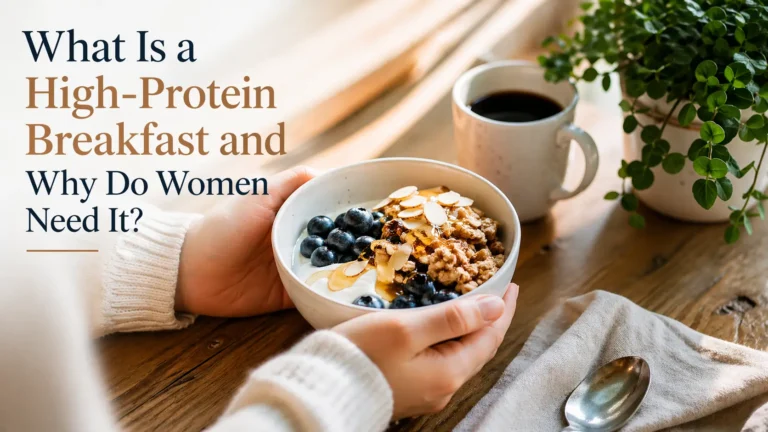
- What Is a High-Protein Breakfast and Why Do Women Need It?
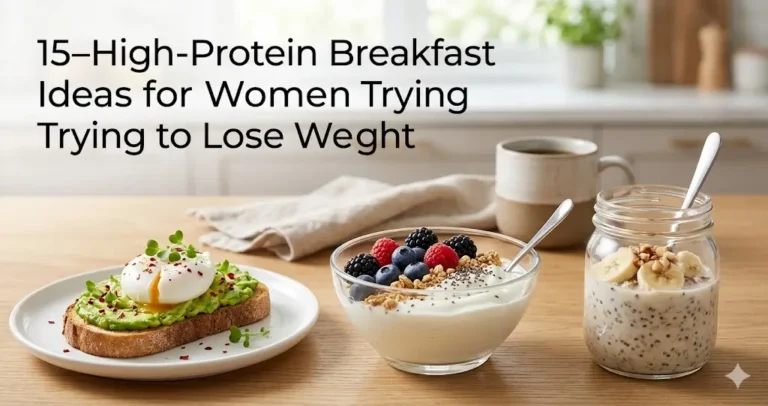
- 15 High-Protein Breakfast Ideas for Women Trying to Lose Weight
- 15 Easy High-Protein Breakfast Ideas for Busy Women (No Cooking Skills Needed!)
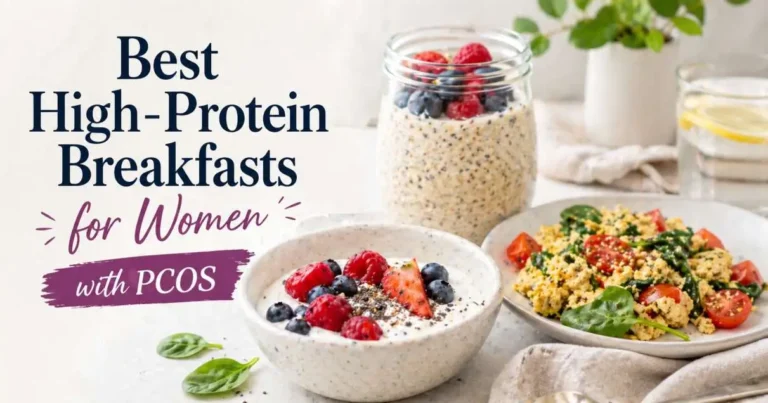
- Best High-Protein Breakfasts for Women with PCOS
Remember: This article is for educational purposes only. The information here is based on publicly available research and is meant to help you learn — not to replace advice from a doctor or dietitian. Always speak with a healthcare professional before making major changes to your diet.